In Washington, the evening’s marquee event was pushed back nearly to midnight, delayed by the heat and a major storm. It was hard not to read it as a warning: nature marking our milestone with a reminder of the work still ahead.
The warning wasn’t limited to the US. Record-breaking heat waves swept Western Europe — Spain, Portugal, France, and the UK — triggering wildfire evacuations and excess deaths.
On a day meant to celebrate 250 years of American progress, nature gave us a pointed reminder of an abiding challenge — and a nudge to move faster on using the solutions we’ve already developed. If we want to safeguard this country for the next 50 years, and the 50 after that, the tools are here. We just need to use them.
This edition of EV News highlights two of them.
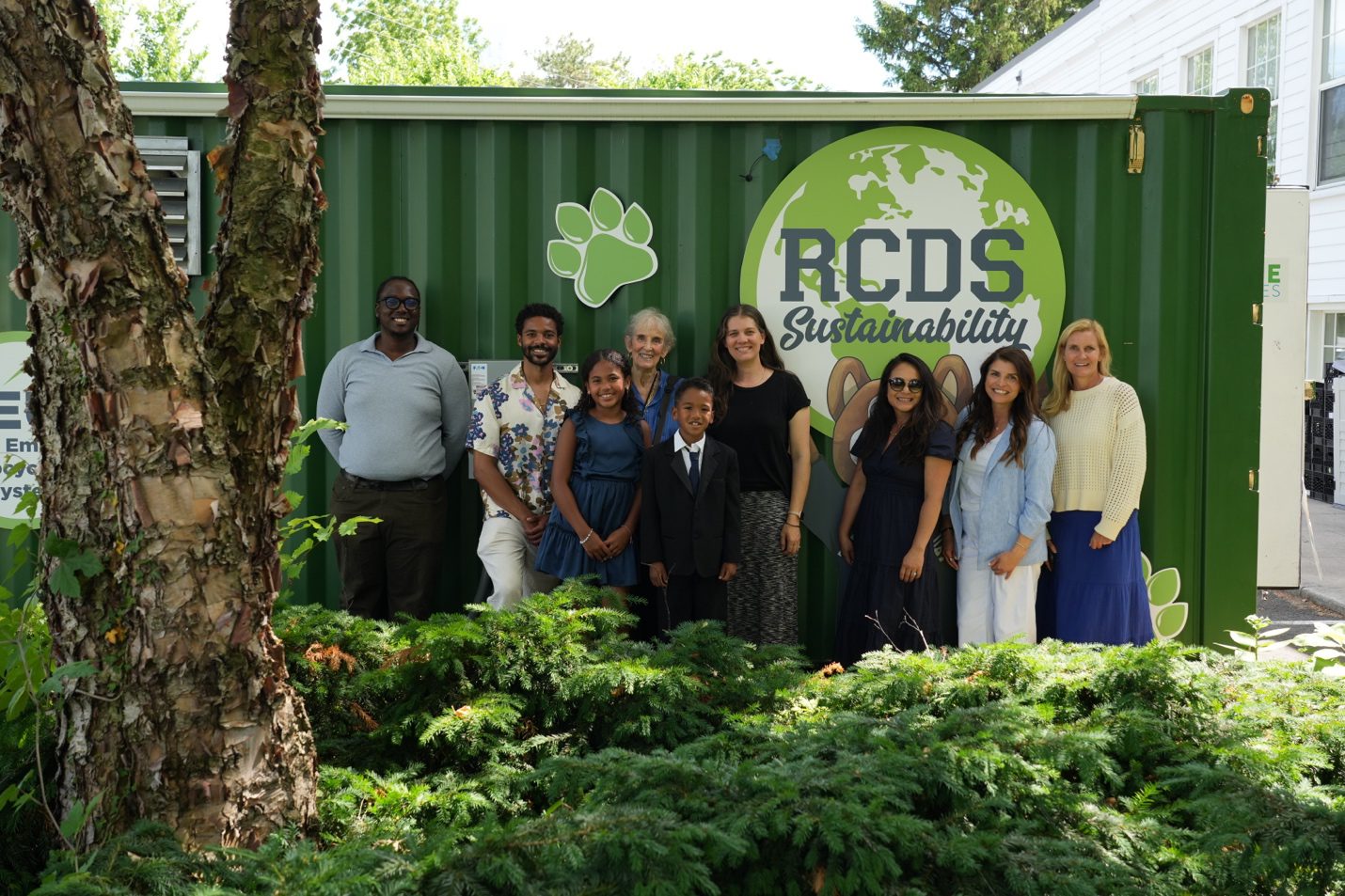
On the international stage, the world’s largest tanker ships need to take real steps forward, with cleaner fuels available today. Closer to home, Rye Country Day School in Rye, New York, has installed an anaerobic digester on campus that turns its food prep and cafeteria wastes into clean organic plant food — while teaching students firsthand about waste, its climate impact, and a solution ready to be replicated by thousands of schools, universities, breweries, and more across the country.
A Nation Built on Solving Big Problems
America’s 250-year story has been one of building what didn’t exist yet — from the interstate highway system to the internet. The tanker fleet and the school cafeteria in this edition are two examples of innovation today: the technology to turn our waste streams into secure, clean, domestic energy isn’t a future promise. It’s operating right now, at the scale of a single school and of global shipping. The question ahead of us isn’t whether these solutions work. It’s whether we choose to put them to use fast enough to matter.
The choices made by school boards, city councils, business owners, and voters is where the story of the next 250 years get written. Energy Vision remains committed to advancing these solutions, and to helping communities and institutions across the country implement them.
Putting America’s organic waste to work — turning it into compost and clean renewable natural gas — is, like solar and wind, a secure domestic resource, available here and now. Every American can make a difference by encouraging local governments, businesses, and institutions to adopt these solutions, and by supporting leadership that treats the climate challenge of our time with the urgency it deserves.